'Cervantes' Dream', by Merrill Hatlen
The following is an excerpt from the novel, The Bard & The Barman: An Account of Shakespeare’s Lost Years.
“In the dream I am lying in my coffin, pretending to be dead, dying to know what people will say about me. I’m afraid that I won’t be able to refrain from replying, but it’s not my tongue that betrays me. It is my nose that threatens to give me away, for the smell of the tapas in the adjoining room almost brings me to tears, knowing that I can’t move a muscle.
“People can be cruel when they think no one hears them, and even crueler when they have onlookers. That was the hardest part, because I obviously couldn’t see anyone with my eyes closed. I had to rely on my ears, which have begun to fail me. Fortunately, I am sensitive to touch, so I could tell when someone held a mirror to my face, to see if I was really dead. I held my breath as long as I could, but I almost choked when I finally had to inhale. But the unkindest cut of all came from a critic whose voice I knew all too well. ‘I don’t like to speak ill of the dead, but let’s face it, Cervantes fancied himself to be a poet, playwright, raconteur, soldier and sailor. More like a jack of all trades and a master of none, if you ask me. He should have stuck with being a tax collector.’
“If I still had the use of my left arm I might have strangled him, pulling him into the coffin just to hear him scream. I would have said, ‘Critics are nothing but parasites, living on the blood of their host. You, of all people, who can barely string words together, should be buried in this coffin instead of me. I have stories coming out of my ears, just waiting to be told.’
“Even in the dream I regretted my little prank, which did not amuse me as much as I expected. I considered sitting up in my coffin just to startle everyone, for the sheer drama of the moment. What a story it would have made for the witnesses, who could tell their grandchildren that they had seen Lazarus rise from the dead. Although no one remembers my plays, they would have remembered this scene for the rest of their lives. But for once in my life, I held my tongue.
“As if God appreciated my gesture, he rewarded me with the presence of a beautiful young woman. Of course, I couldn’t see her face, nor verify that she was young, but I knew that she was an angel sent from heaven above. Indeed, she waited until the procession of mourners died down, after the food I had smelled was brought out for those in mourning, eclipsing any thoughts of me. After all, even grief must be fed. Who can mourn on an empty stomach?
“From the rustle of her dress I was sure that some unseen figure was giving the sign of the cross, blessing me not only with her presence, but with the sacrament of the Holy Church. How I would have loved to hear the blessing that she whispered, but her words fell on deaf ears. Yet at that very moment I had an epiphany, so difficult for an author to accept, that words don’t matter. I felt the first tear fall on my cheek, like a drop of rain signaling that the drought is over. Soon her tears began to stream down her face, falling onto mine. Then came her torrent of tears, washing me clean of my sins. If only my death could be so beautiful, I would gladly die a thousand times.
“I awoke to find my pillow soaked with tears, proof that dreams are as real as everyday life appears to be. It would have been easy enough for me to dismiss such criticism as the result of envy, but there was a grain of truth in what he said. The dream was a warning to me. With so many talents I could easily become a dilettante, spreading myself thin. Likewise, I could spend my life searching for the beautiful woman who shed so many tears for me. But she is an angel, dwelling in my heart, rather than the world of appearances. There is no point in chasing her, for she reveals herself when she chooses, when the time is ripe. It is my muse who brings me to tears. My dream was not a call to action, but reflection. Learn to listen to your dreams, young man.”
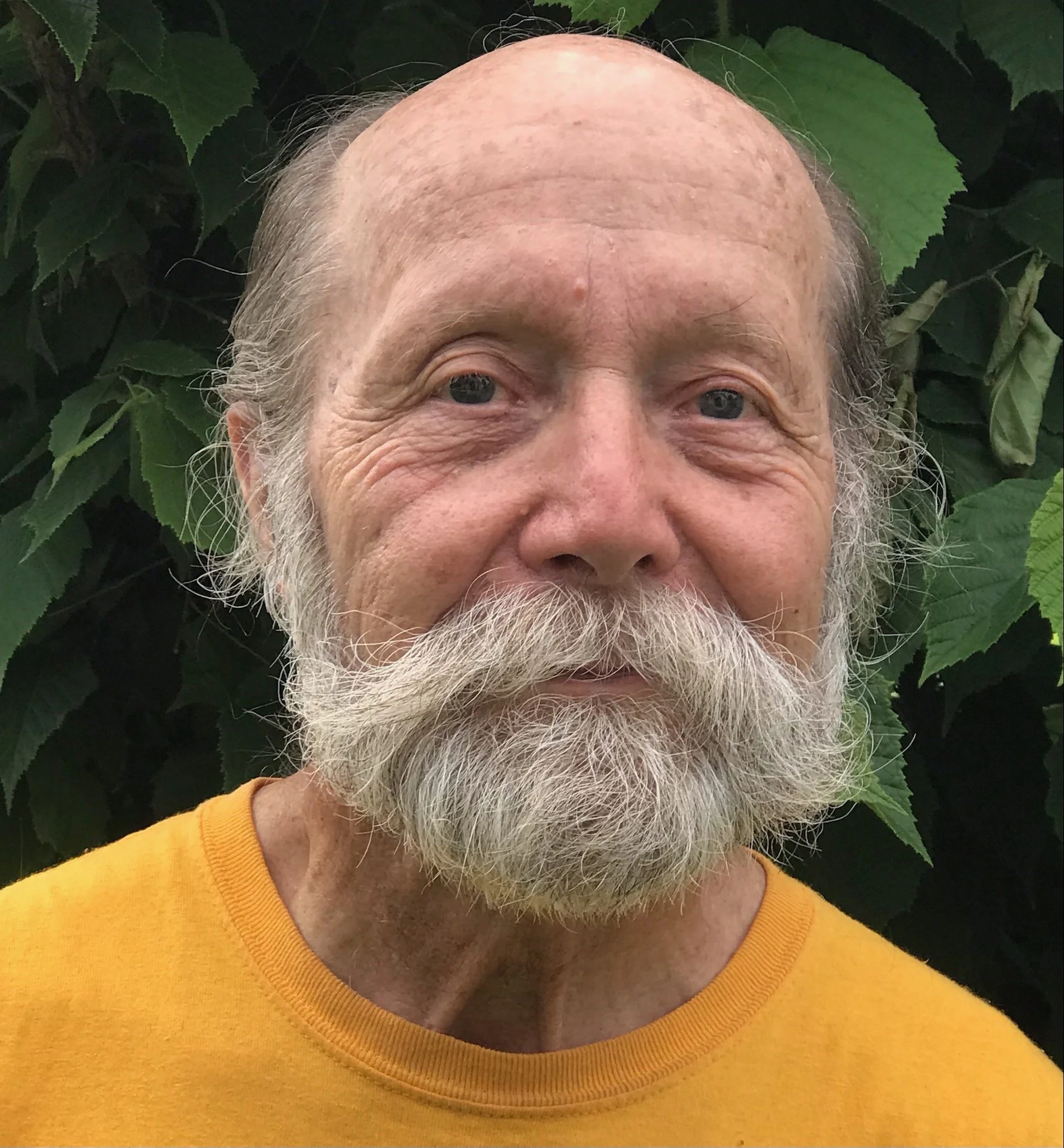
Merrill Hatlen is an award-winning filmmaker, photographer and writer. The course of his life was altered by spending three years in France, inspiring five novels, two screenplays, and a stage play. His most recent novel is The Bard & The Barman: An Account of Shakespeare’s Lost Years, published by Burton Mayer Books (UK).